
Contract Manufacturing Opportunities in Africa’s Pharmaceutical Industry
Africa’s pharmaceutical sector is expanding, and with that growth comes a rising need for flexible manufacturing models that can support speed, scale, and market access. This is why contract manufacturing pharma Africa is becoming a more important part of the industry’s development.
For pharmaceutical companies looking to enter new markets, optimize production, or reduce capital pressure, contract manufacturing offers a practical path forward. At the same time, for manufacturers with established facilities, it creates room to attract new clients, increase capacity utilization, and build long-term commercial partnerships.
As the industry evolves, contract manufacturing is no longer viewed only as an operational solution. It is increasingly seen as a strategic business opportunity.

Why Contract Manufacturing Is Gaining Importance in Africa
Across Africa, pharmaceutical demand is growing while local production capacity is gradually strengthening. Many companies want to respond to this opportunity, but not all of them are ready to invest immediately in their own manufacturing facilities. This is where pharmaceutical outsourcing becomes highly relevant.
Contract manufacturing allows pharmaceutical businesses to:
- enter markets faster
- reduce upfront infrastructure costs
- access existing technical expertise
- scale production based on demand
For many companies, this makes pharmaceutical contract production a more efficient route to growth than building operations from scratch. It also supports broader industry development by encouraging more local manufacturing activity across the continent.
The Value of CMO Partnerships
The role of the CMO Africa market is becoming more important as pharmaceutical businesses look for reliable partners that can support quality, compliance, and production efficiency. A strong contract manufacturing partner offers more than available factory space. It provides operational know-how, production systems, regulatory readiness, and the ability to support different product categories.
This creates value for:
- regional pharmaceutical brands looking to expand
- international companies entering African markets
- businesses seeking specialized production support
- manufacturers aiming to diversify their customer base
As a result, the search for trusted drug manufacturing partners is becoming a key part of how companies build growth strategies in Africa.
Business Opportunities in Pharmaceutical Contract Production
One of the biggest advantages of contract manufacturing pharma Africa offers is the ability to turn market demand into business opportunities more quickly. Companies can launch products with fewer delays, test new markets with less risk, and create partnerships that support sustainable expansion.
For contract manufacturers themselves, this opens the door to:
- stronger client pipelines
- higher production utilization
- long-term manufacturing agreements
- broader regional visibility
For pharmaceutical brands, it creates access to local expertise and more efficient supply chains. This is especially important in a market where speed, reliability, and cost-efficiency are becoming more competitive factors.
Why Pharmaceutical Outsourcing Is a Strategic Growth Tool
There is a growing recognition that pharmaceutical outsourcing is not simply about reducing workload. It is about building smarter, more adaptable business models.
In Africa’s pharmaceutical industry, outsourcing can help businesses:
- respond faster to growing medicine demand
- improve flexibility across product lines
- reduce operational complexity
- strengthen local market presence through partnerships
This makes contract manufacturing pharma Africa a strong enabler for both established companies and emerging players that want to grow without overextending resources.
The Growing Need for Trusted Drug Manufacturing Partners
Partnership quality is critical in contract manufacturing. Pharmaceutical companies need drug manufacturing partners they can trust with product quality, timelines, compliance, and confidentiality. This means CMOs must be able to demonstrate more than capacity. They must also show professionalism, technical competence, and market understanding.
As competition increases, the most successful contract manufacturing relationships will be those built on:
- clear production capabilities
- shared quality standards
- reliable communication
- long-term business alignment
This is one reason why in-person industry engagement remains so valuable. Companies want to evaluate potential partners directly and understand how they fit into their wider growth plans.
Pharmaconex’s Role in Harvesting Business Opportunities
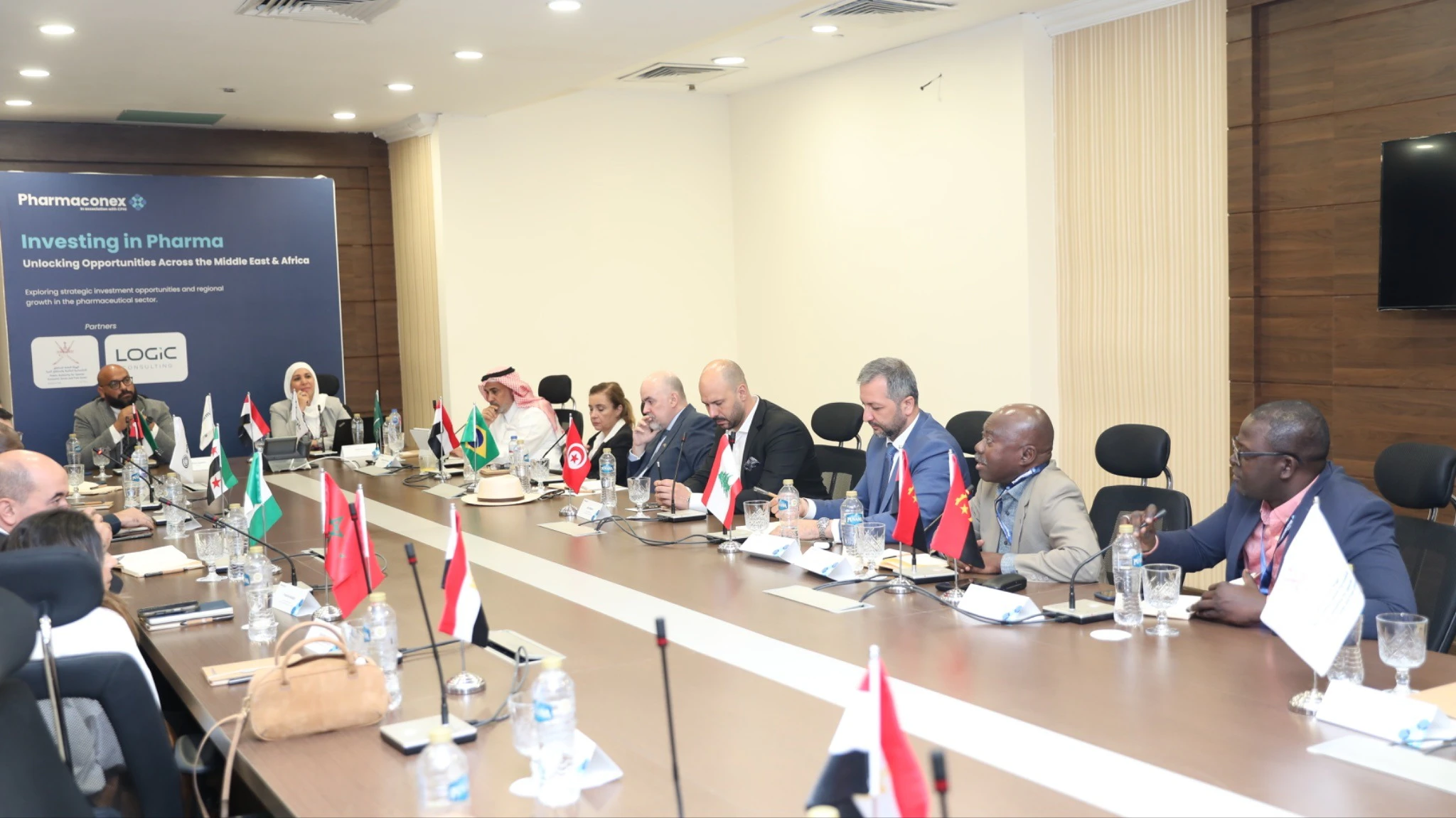
As contract manufacturing gains momentum, Pharmaconex plays an important role in helping businesses harvest the opportunities emerging across Africa’s pharmaceutical market. The exhibition provides a focused environment where CMOs, pharmaceutical brands, suppliers, and industry decision-makers can meet, exchange ideas, and explore commercial partnerships.
For companies involved in contract manufacturing pharma Africa, Pharmaconex creates direct access to the conversations that lead to real business. It helps connect CMO capabilities with brands seeking pharmaceutical outsourcing solutions, while also giving manufacturers greater visibility among potential clients and strategic partners.
This is what makes Pharmaconex especially valuable. It is not only a place to showcase products and services, but also a platform where business opportunities can be identified, discussed, and developed into long-term partnerships.
A Market with Long-Term Potential
Africa’s pharmaceutical industry is moving toward stronger local production, better supply resilience, and broader regional collaboration. In this environment, pharmaceutical contract production will continue to grow in importance.
For companies looking to scale, enter new markets, or strengthen their operating model, contract manufacturing offers clear advantages. For contract manufacturers, it creates commercial opportunities that align with the continent’s wider healthcare and industrial growth.
The businesses that position themselves early, build trusted partnerships, and stay visible in the right industry spaces will be in a stronger position to benefit from the market’s next phase.